


Iconic Aircraft Aviation Forum
For the Appreciation of the World's Finest Aeroplanes
Post your clipboard
-

Mackrick - Moderator

- Posts: 9429
- Joined: Mon Oct 13, 2008 7:36 pm
- Location: Doncaster South Yorkshire

-

Wedgy - Site Admin

- Posts: 7052
- Joined: Mon Sep 29, 2008 2:09 pm
- Location: Wiltshire
- Also Known As: Wedginald

-
Mackrick - Moderator
- Posts: 9429
- Joined: Mon Oct 13, 2008 7:36 pm
- Location: Doncaster South Yorkshire
Re: Post your clipboard
 by Wedgy » Sat May 02, 2009 9:37 am
-
Wedgy - Site Admin
- Posts: 7052
- Joined: Mon Sep 29, 2008 2:09 pm
- Location: Wiltshire
- Also Known As: Wedginald
Re: Post your clipboard
by Mayfly » Sat May 02, 2009 3:46 pm
In memory of a very dear friend - Mike Pearson
Very fond memories of Robbie Gilvary - DTs 1st Vulcan Captain who taught DT all he knew.
Very fond memories of Robbie Gilvary - DTs 1st Vulcan Captain who taught DT all he knew.
-

Mayfly - Moderator
- Posts: 29760
- Joined: Mon Sep 29, 2008 7:11 pm
- Location: Bomber County
Re: Post your clipboard
by Wedgy » Sat May 02, 2009 5:11 pm
That was when the Beatles pop group made their historic worldwide television broadcast from London, Michael Aspel read the BBC television news and the six-day Arab-Israeli war rocked the Middle East.
Hauled by the mighty 1940s-built Southern Railway Bulleid Pacific steam locomotive No. 34067 'Tangmere' - named after the West Sussex Battle of Britain airfield - the historic twelve-coach 'Dorset Coast Express' train departs London's Victoria station for Swanage on Saturday 2 May 2009.
Hauled by the mighty 1940s-built Southern Railway Bulleid Pacific steam locomotive No. 34067 'Tangmere' - named after the West Sussex Battle of Britain airfield - the historic twelve-coach 'Dorset Coast Express' train departs London's Victoria station for Swanage on Saturday 2 May 2009.
-
Wedgy - Site Admin
- Posts: 7052
- Joined: Mon Sep 29, 2008 2:09 pm
- Location: Wiltshire
- Also Known As: Wedginald
Re: Post your clipboard
by Mackrick » Sat May 02, 2009 6:27 pm
Dan4th
Duc, sequere, aut de via decede
-
Mackrick - Moderator
- Posts: 9429
- Joined: Mon Oct 13, 2008 7:36 pm
- Location: Doncaster South Yorkshire
Re: Post your clipboard
by Mackrick » Tue May 05, 2009 8:19 pm
- Code: Select all
class BlogPostForm extends BaseBlogPostForm
{
    public function configure()
    {
        $autocompleteWidget = new sfWidgetFormChoice(array(
          'multiple'         => true,
          'choices'          => $this->getObject()->getTags(),
          'renderer_class'   => 'sfWidgetFormJQueryAutocompleterMany',
          'renderer_options' => array(
            'config' => '{
                json_url: "'.sfContext::getInstance()->getController()->genUrl('tag/autocomplete').'",
                json_cache: true,
                filter_hide: true,
                filter_selected: true,
                maxshownitems: 8
              }')
        ));
        $this->widgetSchema['tags_list'] = $autocompleteWidget;
    }
}
Duc, sequere, aut de via decede
-
Mackrick - Moderator
- Posts: 9429
- Joined: Mon Oct 13, 2008 7:36 pm
- Location: Doncaster South Yorkshire
Re: Post your clipboard
by Mayfly » Tue May 05, 2009 8:27 pm
Simon Baker... 
In memory of a very dear friend - Mike Pearson
Very fond memories of Robbie Gilvary - DTs 1st Vulcan Captain who taught DT all he knew.
Very fond memories of Robbie Gilvary - DTs 1st Vulcan Captain who taught DT all he knew.
-
Mayfly - Moderator
- Posts: 29760
- Joined: Mon Sep 29, 2008 7:11 pm
- Location: Bomber County
Re: Post your clipboard
by Mackrick » Tue May 05, 2009 8:32 pm
The FV603 Saracen was the armoured personnel carrier of Alvis' FV600 series
Duc, sequere, aut de via decede
-
Mackrick - Moderator
- Posts: 9429
- Joined: Mon Oct 13, 2008 7:36 pm
- Location: Doncaster South Yorkshire
Re: Post your clipboard
by Saracenman » Tue May 05, 2009 9:23 pm
Mackrick wrote:The FV603 Saracen was the armoured personnel carrier of Alvis' FV600 series
now THAT'S more like it Mackrick - something interesting in your clipboard at last!

Lunchtime! 

-

Saracenman - Boeing B-52 Stratofortress

- Posts: 12047
- Joined: Mon Sep 29, 2008 2:17 pm
- Location: Away from Cats
- Also Known As: Nobody
Re: Post your clipboard
by Wedgy » Wed May 06, 2009 8:11 am
British writer and comedian Stephen Fry would write the script.
-
Wedgy - Site Admin
- Posts: 7052
- Joined: Mon Sep 29, 2008 2:09 pm
- Location: Wiltshire
- Also Known As: Wedginald
-
Mackrick - Moderator
- Posts: 9429
- Joined: Mon Oct 13, 2008 7:36 pm
- Location: Doncaster South Yorkshire
-
Saracenman - Boeing B-52 Stratofortress
- Posts: 12047
- Joined: Mon Sep 29, 2008 2:17 pm
- Location: Away from Cats
- Also Known As: Nobody
Re: Post your clipboard
by Mayfly » Wed May 06, 2009 8:16 pm
hahahaha 
In memory of a very dear friend - Mike Pearson
Very fond memories of Robbie Gilvary - DTs 1st Vulcan Captain who taught DT all he knew.
Very fond memories of Robbie Gilvary - DTs 1st Vulcan Captain who taught DT all he knew.
-
Mayfly - Moderator
- Posts: 29760
- Joined: Mon Sep 29, 2008 7:11 pm
- Location: Bomber County
Re: Post your clipboard
by Nickolas » Wed May 06, 2009 8:22 pm
Soooooooooooooooooooooooo Funny, bit like tom.com and king willy when they share a bedroom on holiday........... the stench is amazing
Proud parent of Tom.com & King Willy.
Chairman of 309 (Sawbridgeworth) Sqn Association Committee RAFAC
West Sector Chairperson Essex Wing RAFAC
Owner of Stanley Schnauzer.... and Alfie Cockerpoo
Chairman of 309 (Sawbridgeworth) Sqn Association Committee RAFAC
West Sector Chairperson Essex Wing RAFAC
Owner of Stanley Schnauzer.... and Alfie Cockerpoo
-

Nickolas - Airbus A380

- Posts: 3757
- Joined: Sun Nov 02, 2008 1:02 pm
- Location: Sawbridgeworth Hertfordshire
- Also Known As: Dad to Cllr TDC
Re: Post your clipboard
by Tom.com » Thu May 07, 2009 8:17 pm
Nickolas wrote:Soooooooooooooooooooooooo Funny, bit like tom.com and king willy when they share a bedroom on holiday........... the stench is amazing
do u mind, it is him. that is why i poured water in his bed!
No, I am a fairy
↑ÔΜ•€Øm

↑ÔΜ•€Øm
-

Tom.com - Lockheed Constellation

- Posts: 4664
- Joined: Wed Nov 05, 2008 6:29 pm
- Location: Sawbridgeworth
- Also Known As: tomdotcom247

-
Mackrick - Moderator
- Posts: 9429
- Joined: Mon Oct 13, 2008 7:36 pm
- Location: Doncaster South Yorkshire
Re: Post your clipboard
by Mayfly » Thu May 07, 2009 9:15 pm
haha he gets everywhere..
In memory of a very dear friend - Mike Pearson
Very fond memories of Robbie Gilvary - DTs 1st Vulcan Captain who taught DT all he knew.
Very fond memories of Robbie Gilvary - DTs 1st Vulcan Captain who taught DT all he knew.
-
Mayfly - Moderator
- Posts: 29760
- Joined: Mon Sep 29, 2008 7:11 pm
- Location: Bomber County
Re: Post your clipboard
by Spitfire » Fri May 08, 2009 3:15 pm
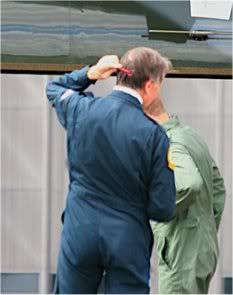
He sure does

David
http://ultimatewarbirdflights.com/
Get 'NX611' back in the air http://www.lincsaviation.co.uk/news/lancaster-nx611-return-to-flight/
http://ultimatewarbirdflights.com/
Get 'NX611' back in the air http://www.lincsaviation.co.uk/news/lancaster-nx611-return-to-flight/
-

Spitfire - Boeing 747

- Posts: 5207
- Joined: Wed Dec 10, 2008 11:06 am
- Location: Hayle, SW Cornwall
-
Wedgy - Site Admin
- Posts: 7052
- Joined: Mon Sep 29, 2008 2:09 pm
- Location: Wiltshire
- Also Known As: Wedginald

-
Mackrick - Moderator
- Posts: 9429
- Joined: Mon Oct 13, 2008 7:36 pm
- Location: Doncaster South Yorkshire
Re: Post your clipboard
by Wedgy » Sun May 10, 2009 12:23 pm
-
Wedgy - Site Admin
- Posts: 7052
- Joined: Mon Sep 29, 2008 2:09 pm
- Location: Wiltshire
- Also Known As: Wedginald
-
Mackrick - Moderator
- Posts: 9429
- Joined: Mon Oct 13, 2008 7:36 pm
- Location: Doncaster South Yorkshire
Re: Post your clipboard
by Mackrick » Sun May 10, 2009 8:22 pm
The United States Air Force operates a modified NT-43A as a Radar Test Bed (RTB) with radar imaging gear on its nose and tail in radomes that are 9 feet long and over 6.5 feet in diameter.NT-43A, 73-1155 carries Boeing construction number 20702. It first flew on July 2, 1974 and was delivered to the Air Force ten days later. It served initially as a navigation trainer. It was retired from that role and delivered to AMARC on September 25, 1997. Identified as TH002, it was sealed with spraylat and sat in the desert sun for over two years. 73-1155 was selected for modification as the Radar Test Bed. It was pulled out of storage at AMARC and delivered to the Ogden Air Logistics Center (OO-ALC) at Hill Air Force Base, Utah for refurbishment on November 19, 1999.73-1155 was flown to an aircraft maintenance and modification facility at Goodyear, Arizona in March 2000 for the installation of the enormous radomes on its nose and tail.
DENMAR, Inc. was the prime contractor for the modification of the NT-43A. It is run by Denys Overholser, who wrote the "Echo 1" software used to evaluate the stealth characteristics of the Have Blue and F-117A Stealth Fighter. Under contract to DENMAR, Inc., the Lockheed Skunk Works designed and fabricated the mounts for radar installations on the nose and tail (see attachment) of the RTB at Air Force Plant 42 on the grounds of the Palmdale Airport in California. The mounts are made primarily of carbon epoxy honeycomb sandwich with machined aluminum fittings. They are 16.5 feet long and 6.2 feet in diameter. After conversion, it was rolled out on February 22, 2001. Its first flight in its new configuration was flown on March 21, 2001.
The flight operations contractor for the NT-43A is EG&G, operator of the "Janet Airlines" 737s and former T-43As that are used to transport workers to and from secure facilities in the Nellis AFB ranges. The lack of public sightings of the RTB suggests that the NT-43A operates from one of those secure facilities. It was sighted inside a hangar at Goodyear in December 2004, but otherwise it is rarely seen.
Duc, sequere, aut de via decede
-
Mackrick - Moderator
- Posts: 9429
- Joined: Mon Oct 13, 2008 7:36 pm
- Location: Doncaster South Yorkshire
Who is online
Users browsing this forum: No registered users and 0 guests


Content & Design © WedgySoft
Powered by phpBB® Forum Software © phpBB Group
Glacier v3.0.4 - Design by Ika © 2009 ShadowFlames Development - Modified & Upgraded to v3.0.14 by WedgySoft
87,740,893 Views
Time : 1.179s | 16 Queries | GZIP : Off
Powered by phpBB® Forum Software © phpBB Group
Glacier v3.0.4 - Design by Ika © 2009 ShadowFlames Development - Modified & Upgraded to v3.0.14 by WedgySoft
87,740,893 Views
Time : 1.179s | 16 Queries | GZIP : Off